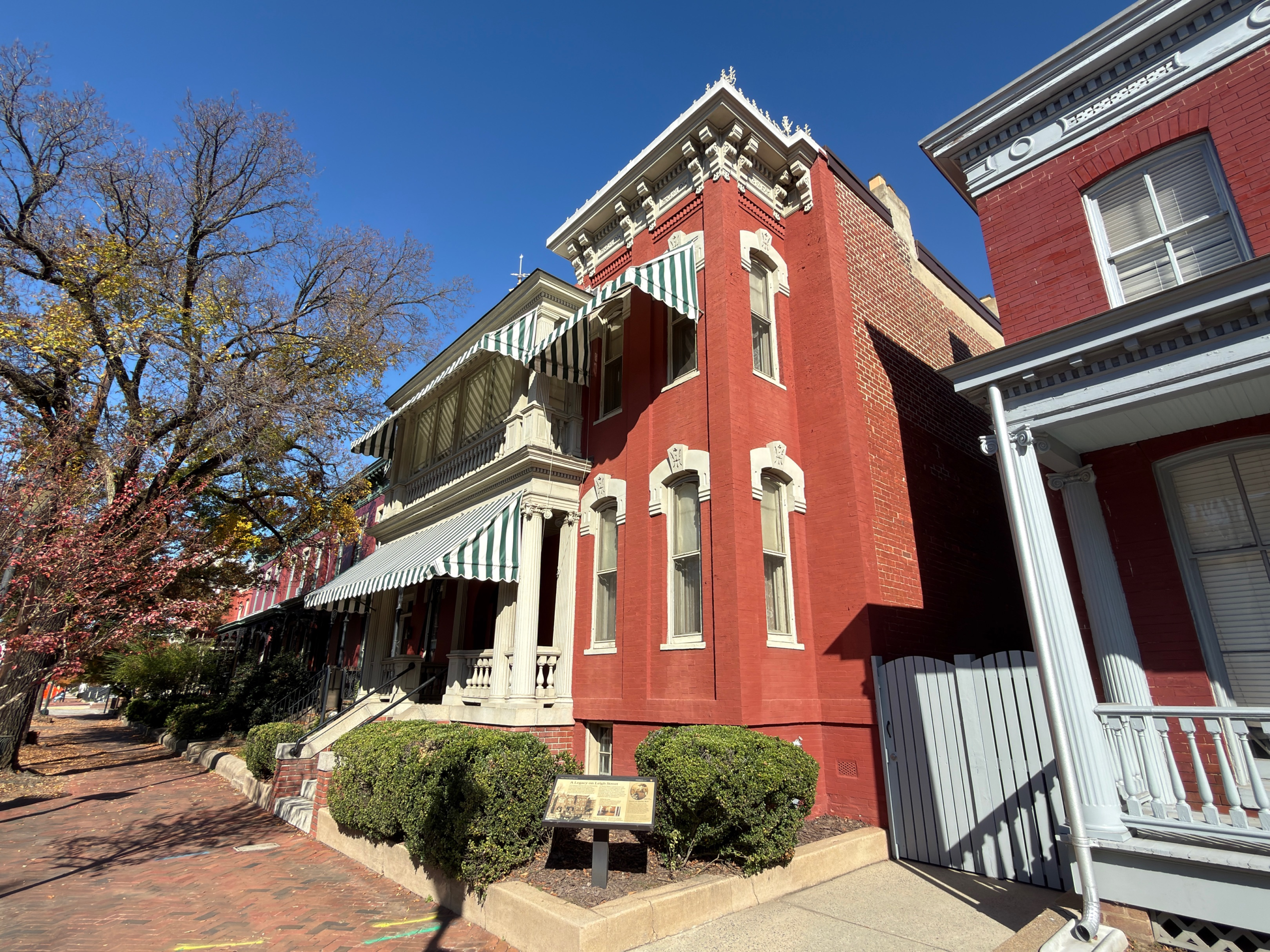
In August 1911, Maggie Lena Walker found herself at the center of a controversy over whether African Americans should be allowed to use Richmond’s City Auditorium. Walker, already one of the city’s most influential business leaders, had requested permission to hold a public gathering of the Independent Order of St. Luke in the municipally owned building. What should have been a routine request became a debate over racial segregation and access to public facilities.
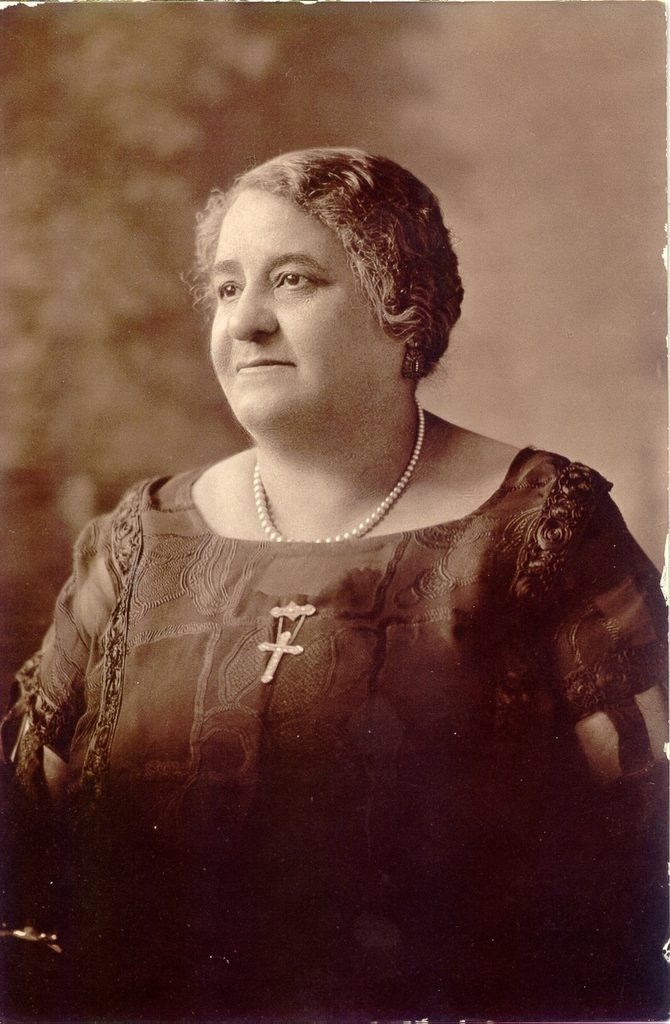
Permission was eventually granted, and the meeting took place. Thirteen years later, that same Auditorium hosted a public celebration honoring Walker’s extraordinary accomplishments.
Remarkably, much of that historic building still stands today.
Richmond is filled with places where history hides in plain sight, and few people left a more significant mark on the city than Maggie Lena Walker.
Born in Richmond in 1864, Walker rose to prominence as a businesswoman, community organizer, and advocate for African American economic independence and civil rights. As the first African American woman in the United States to charter a bank, she helped transform the Independent Order of St. Luke from a struggling mutual aid organization into a nationally influential institution.
Her accomplishments are well documented, but the places where she made history offer another way to understand her life.
Some of the buildings where Walker worked, spoke, celebrated, and experienced personal tragedies still stand today. A few remain recognizable landmarks, while others have been dramatically altered or repurposed. Yet each provides a tangible connection to a different chapter of her remarkable story.
Here are five places where visitors can still discover Maggie Walker’s Richmond.
1. St. Luke Hall: The Headquarters of an Extraordinary Enterprise
900 St. James Street, Richmond
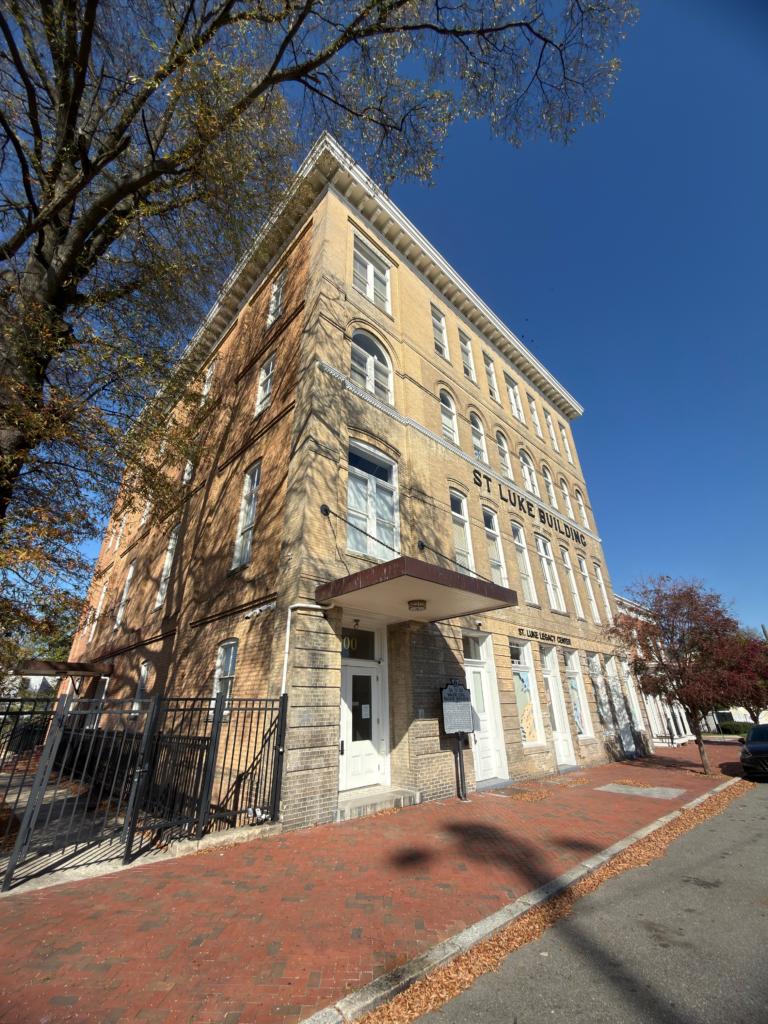
On the morning of December 30, 1922, Maggie Walker stood among her employees surveying the damage to St. Luke Hall. A fire the previous evening had swept through portions of the building, severely damaging its roof and flooding several floors with water. Contemporary newspaper reports suggested that the losses could reach approximately $30,000.
According to the January 6, 1923, edition of the Richmond Planet, Walker appeared dejected as she examined the destruction. Fortunately, the building was insured, and the organization’s records had largely escaped serious damage.
The incident was one of many challenges Walker confronted during her decades of leadership at St. Luke Hall, a building that had become the nerve center of one of the nation’s most important African American financial and fraternal organizations.
Constructed in 1903, St. Luke Hall served as headquarters for the Independent Order of St. Luke, a mutual aid society that provided insurance, financial assistance, and other services to members. Walker had assumed the organization’s highest leadership position in 1899, inheriting an institution facing serious financial difficulties. Through determined management and an ambitious program of expansion, she transformed the organization.
From offices inside St. Luke Hall, Walker supervised a growing operation that reached communities across the United States. The building housed administrative offices, meeting spaces, and the printing operations of the St. Luke Herald, a newspaper established to promote the organization and advocate for African American advancement.
Perhaps its most significant moment came on November 2, 1903, when the St. Luke Penny Savings Bank opened for business inside the building. Nearly 300 individuals and organizations opened accounts on the first day, depositing more than $8,000. Walker became the bank’s president, establishing herself as a pioneering figure in American banking.
St. Luke Hall was also a place of celebration and community life.
In December 1903, Walker was publicly presented with a pair of horses and a carriage during a ceremony at the Hall. By August 1915, the Order had grown to more than 40,000 members across eighteen states, and delegates arriving for its annual convention gathered for a reception on the building’s lawn.
In August 1919, the Hall was rededicated following extensive improvements costing more than $50,000. The occasion included speeches, music, and recognition of Walker’s accomplishments.
Even as the Great Depression created new financial pressures, Walker continued working to safeguard the institutions she had helped build.
The St. Luke Bank had merged with Second Street Savings Bank to form Consolidated Bank and Trust Company, which opened in January 1930. On December 10 of that year, stockholders gathered at St. Luke Hall to approve an agreement involving the merger of Commercial Bank and Trust Company with Consolidated. The final merger took effect in 1931, with Walker serving as chair of the Consolidated Bank and Trust board.
Today, St. Luke Hall remains standing at 900 St. James Street. Although privately owned and no longer operating as the headquarters of the Independent Order, its walls witnessed decades of meetings, celebrations, financial decisions, and the daily work of an organization that helped shape Black economic life in Richmond.
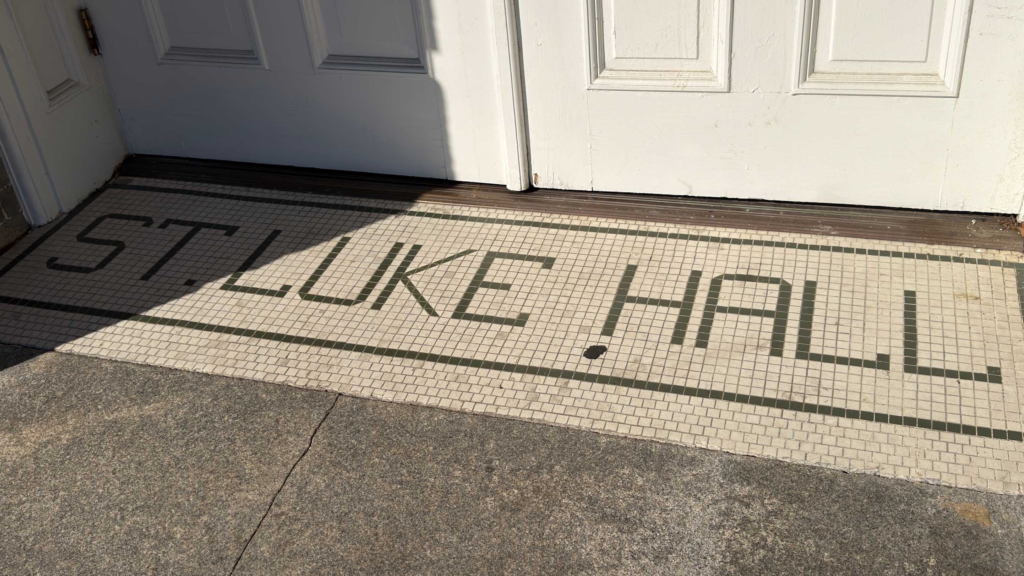
2. St. Luke Emporium: An Ambitious Experiment on Broad Street
112 East Broad Street, Richmond
For Maggie Walker, financial independence meant more than saving money. She believed African Americans needed opportunities to build businesses, develop professional skills, and circulate their earnings within their own communities.
That vision led to the establishment of the St. Luke Emporium, an ambitious department store intended to offer Black Richmonders an alternative to the discrimination they frequently encountered in white-owned businesses.
In March 1905, Virginia’s State Corporation Commission granted a charter to the St. Luke Emporium Association, with Walker serving as president. The new corporation was established with $25,000 in capital and planned to operate a general dry goods and millinery business.
The Emporium opened on April 10, 1905, initially occupying temporary quarters at 4 West Broad Street while its permanent home at 112 East Broad Street underwent renovations.
The Richmond Planet reported that the opening attracted a large attendance and praised the arrangements of the merchandise, particularly the displays of women’s hats.
The enterprise was unusual for its time. Black women occupied important positions within the business, gaining employment and experience in an industry where such opportunities were often limited. The store also sought to provide customers with a welcoming shopping environment, free from many of the indignities imposed by segregation.
The building at 112 East Broad Street eventually housed both the Emporium and the St. Luke Penny Savings Bank, bringing retail commerce and banking services together under one roof.
But the undertaking faced serious obstacles.
As detailed in a Federal Reserve Bank of Richmond historical examination of Walker’s career, white merchants opposed the enterprise, and Walker later described efforts to discourage suppliers from doing business with the store. Some wholesalers demanded cash payments rather than extending the credit routinely available to white-owned businesses.
The Emporium also struggled to attract enough customers. Walker expressed frustration that many African American shoppers continued patronizing established white-owned stores rather than supporting businesses created within their own community.
Despite her determination, the Emporium never achieved the financial stability of the St. Luke Penny Savings Bank. It closed in November 1911.
The building at 112 East Broad Street survives today, although its condition presents a troubling contrast to the ambitions it represented more than a century ago.
As of November 2026, the former Emporium remains boarded up and visibly deteriorating. Unfortunately, its condition is hardly unique along this section of Broad Street. Numerous neighboring buildings, many dating to the late nineteenth and early twentieth centuries, also stand vacant, boarded up, or in various states of neglect.
The situation has attracted considerable concern from local preservation advocates.
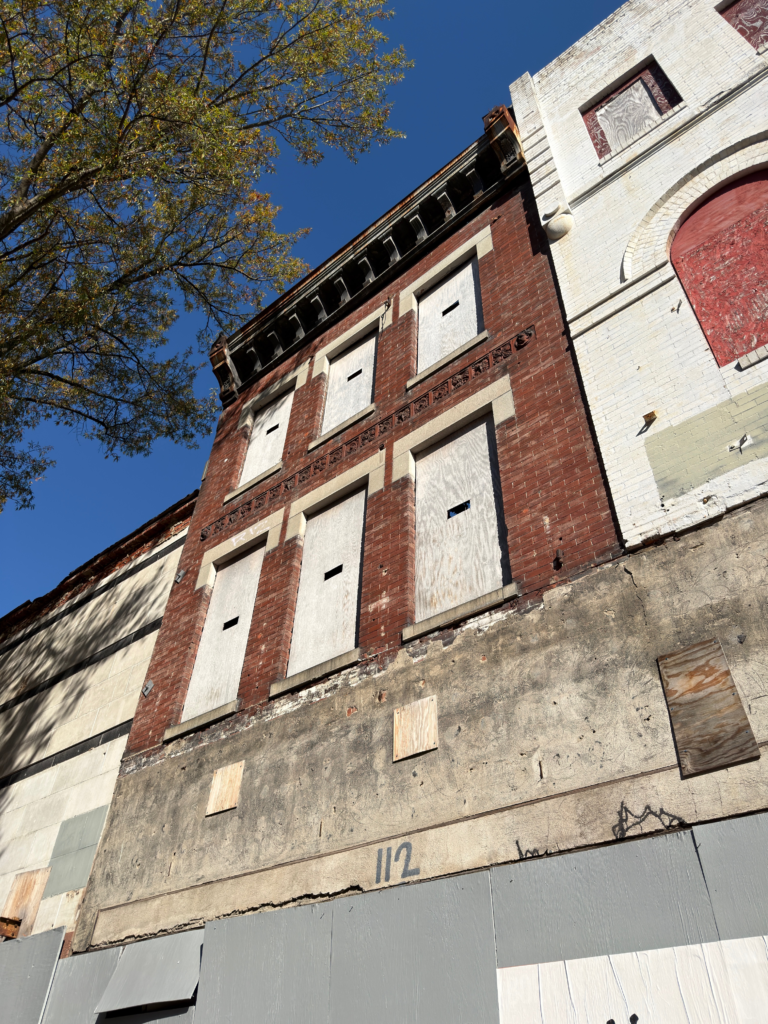
In its September 2024 report on endangered downtown properties, Historic Richmond specifically identified the 100 block of East Broad Street as an area of concern. The organization noted that much of the north side of the block was vacant and deteriorating, singling out 112 East Broad Street for its association with Walker’s Emporium and bank.
A September 2025 investigation by Style Weekly further documented the difficulties facing the surrounding commercial corridor, including long-vacant storefronts, neglected historic structures, and the challenges of encouraging redevelopment.
The former Emporium remains an important piece of Richmond’s African American business history, even as its physical future remains uncertain.
Its story is a reminder that Walker’s accomplishments were accompanied by disappointments, and that challenging established racial and economic barriers required considerable personal and financial risk.
The building’s present condition also highlights the vulnerability of historic places that, despite their significance, have struggled to find renewed purpose in the modern city.
3. Richmond City Auditorium: From Racial Barriers to Public Recognition
Now VCU Cary Street Gym, 101 South Linden Street, Richmond
The building now known as VCU’s Cary Street Gym might seem an unlikely place to encounter Maggie Walker’s legacy.
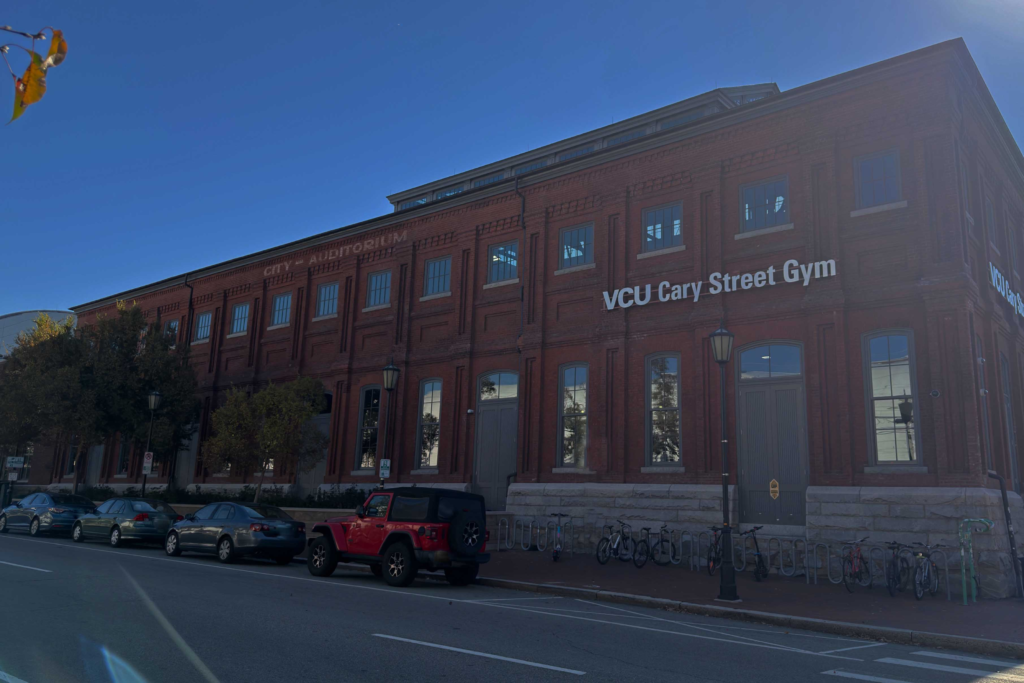
Constructed in 1891 as a public market and converted into Richmond’s City Auditorium in the early twentieth century, the building hosted public meetings, concerts, conventions, and community gatherings.
For Walker, it became the setting for several important public events, including the 1911 controversy that revealed the racial barriers confronting even Richmond’s most accomplished African American citizens.
In August of that year, Walker sought permission for the Independent Order of St. Luke to hold a public gathering at the City Auditorium during its annual convention.
The request generated controversy.
Some city officials questioned whether Richmond’s segregation ordinance prohibited African Americans from using the municipal facility. Acting City Attorney George Wayne Anderson clarified that the ordinance concerned residential segregation and did not prevent the proposed use of the Auditorium.
The city’s Committee on Buildings and Grounds ultimately granted permission, and the organization proceeded with its public meeting.
A contemporary report described approximately 800 delegates arriving in Richmond for the convention, representing St. Luke councils from throughout the country. The Auditorium gathering included a program devoted to racial advancement and the possibilities for African American communities.
Two years later, Walker returned to the Auditorium for another remarkable occasion.
On March 23, 1913, approximately 3,000 members of the Independent Order of St. Luke assembled for the organization’s annual thanksgiving services. Virginia Governor William Hodges Mann delivered the principal address, while the St. Luke Chorus provided music.
Walker also addressed the gathering, emphasizing the organization’s accomplishments and the importance of its leadership. The program even included a speech delivered from memory by a young member of St. Luke’s juvenile department.
By then, Walker had become a prominent public figure whose influence extended across Virginia and beyond.
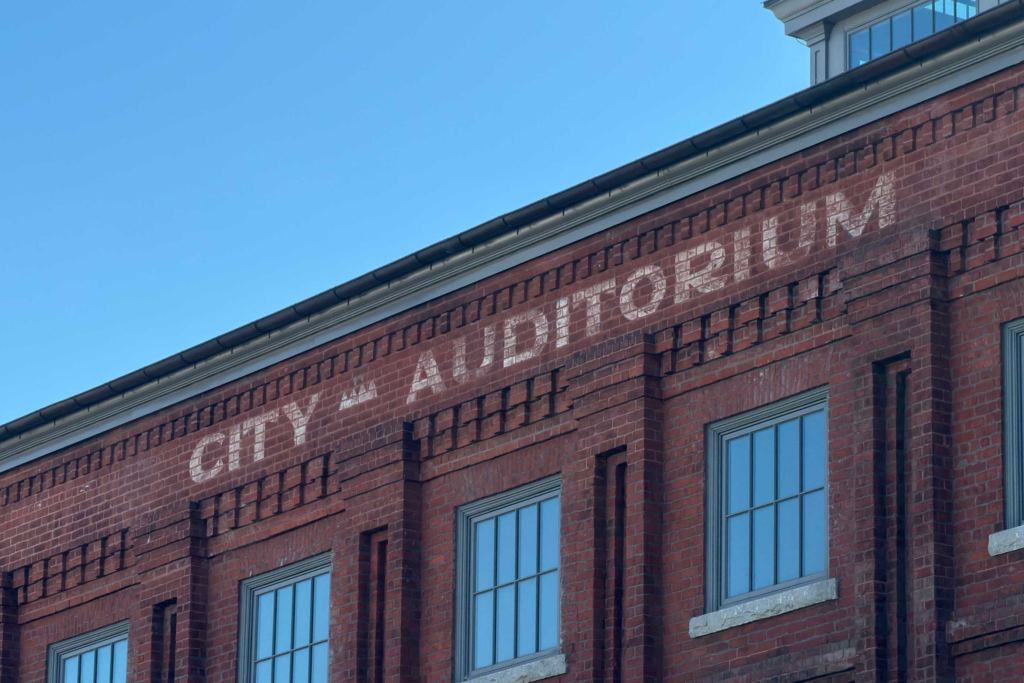
Perhaps the most meaningful event associated with the Auditorium took place on November 30, 1924.
That afternoon, friends, colleagues, and supporters gathered for a testimonial honoring Walker’s twenty-five years of leadership within the Independent Order of St. Luke.
The ceremony featured religious leaders, community representatives, musical performances, and tributes to her work. Walker was presented with a check for $3,568.28 in recognition of her service.
The contrast with the events of 1911 is striking. Thirteen years after her organization encountered objections to using the building, the same Auditorium became the setting for a public celebration of Walker’s extraordinary accomplishments.
Today, the former City Auditorium survives as part of VCU’s Cary Street Gym.
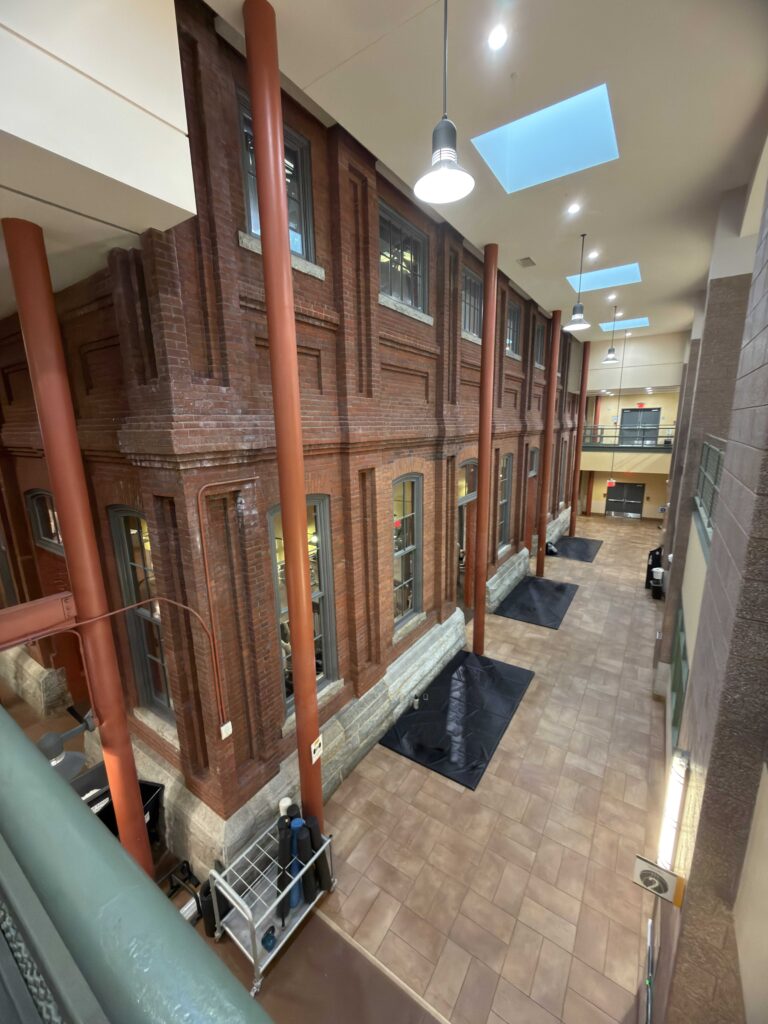
A major renovation completed in 2010 incorporated the historic building into a modern recreational complex. Portions of its original brick exterior are now visible inside the facility, allowing visitors to recognize the historic structure within its contemporary surroundings.
The building has changed considerably, but its surviving walls recall a time when Walker stood before thousands of people advocating for the advancement of her community.
4. Maggie Walker’s Leigh Street Residence: The Woman Behind the Public Figure
110½ East Leigh Street, Richmond
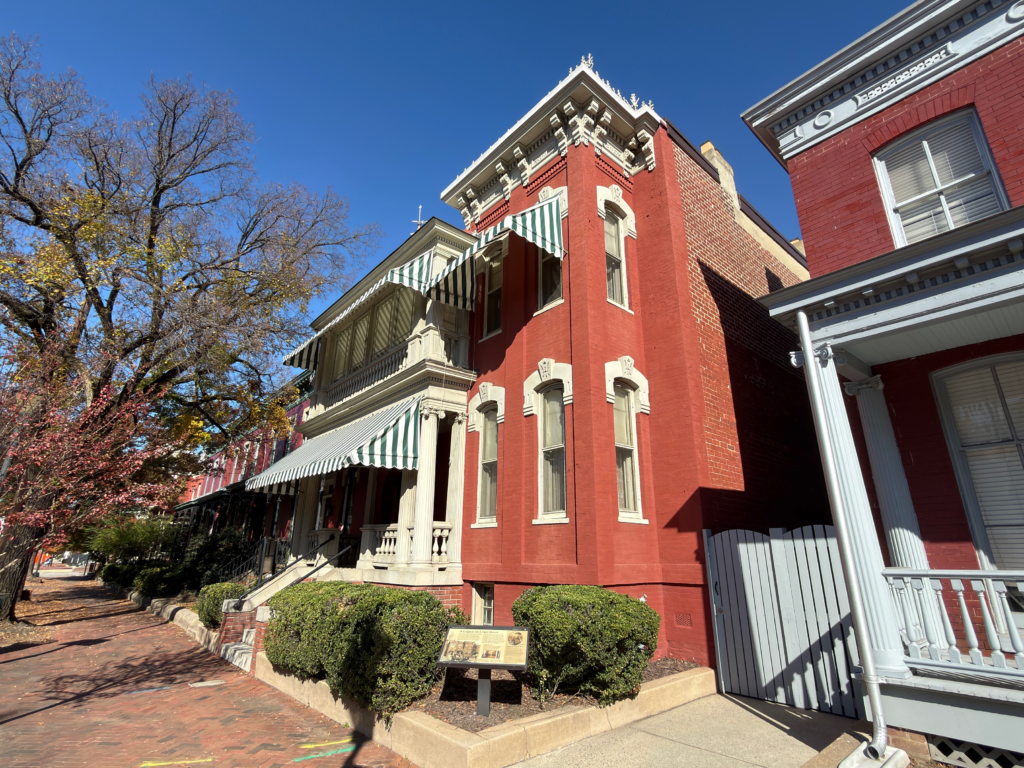
While Maggie Walker’s professional life unfolded in offices, banks, and public meeting halls, her residence on East Leigh Street provides a more personal perspective on the woman behind those achievements.
In 1904, Walker purchased a substantial home in Jackson Ward from Dr. Robert E. Jones. Before moving in the following year, the family modernized the property with electric lighting and central heating, improvements that reflected both Walker’s financial success and her enthusiasm for modern conveniences.
Over the next three decades, the house became home to multiple generations of the Walker family.
Maggie and her husband, Armstead, lived there alongside their children, her mother, Elizabeth Mitchell, and other relatives. As the household expanded, the residence underwent substantial renovations, eventually growing to twenty-eight rooms.
Among its more interesting spaces was a room remembered by the family as Melvin’s Den, named for Walker’s younger son.
According to the National Park Service’s history of the Walker home, Melvin used the room to entertain friends, playing poker and listening to music on an electric Victrola. It offers a welcome glimpse of the ordinary pleasures enjoyed by the family inside a home more frequently discussed for its famous owner.
The newspapers provide another small window into family life.
In March 1919, the Richmond Planet announced the marriage of Melvin Walker to Ethel Bertha Robinson. Although the wedding was scheduled to take place at the bride’s family home, friends were invited to an evening reception at the Walker residence on March 20.
Such occasions remind us that this was not merely the residence of a prominent businesswoman. It was an active family home, filled with celebrations, visitors, and the routines of daily life.
Unfortunately, it was also the setting for considerable sorrow.
On June 20, 1915, Armstead Walker was accidentally killed when the couple’s eldest son, Russell, mistook him for an intruder near the rear of the house and fired a gun. Russell was subsequently charged with murder but was acquitted. The tragedy profoundly affected the family.
Further losses followed. Walker’s mother died at the residence in February 1922, while Russell died in November 1923, with funeral services arranged from the family home.
Despite these hardships, Walker continued to maintain her professional responsibilities and provide for her extended family.
As her health declined, she adapted the house to accommodate her changing needs. In 1928, an elevator was installed, allowing her to access the upper floor after worsening mobility made climbing stairs increasingly difficult.
Walker continued to live and work from her Leigh Street home until her death on December 15, 1934.
Today, the house is preserved as part of the Maggie L. Walker National Historic Site, administered by the National Park Service. Unlike many other surviving buildings associated with Walker, its rooms retain numerous original furnishings and personal belongings.
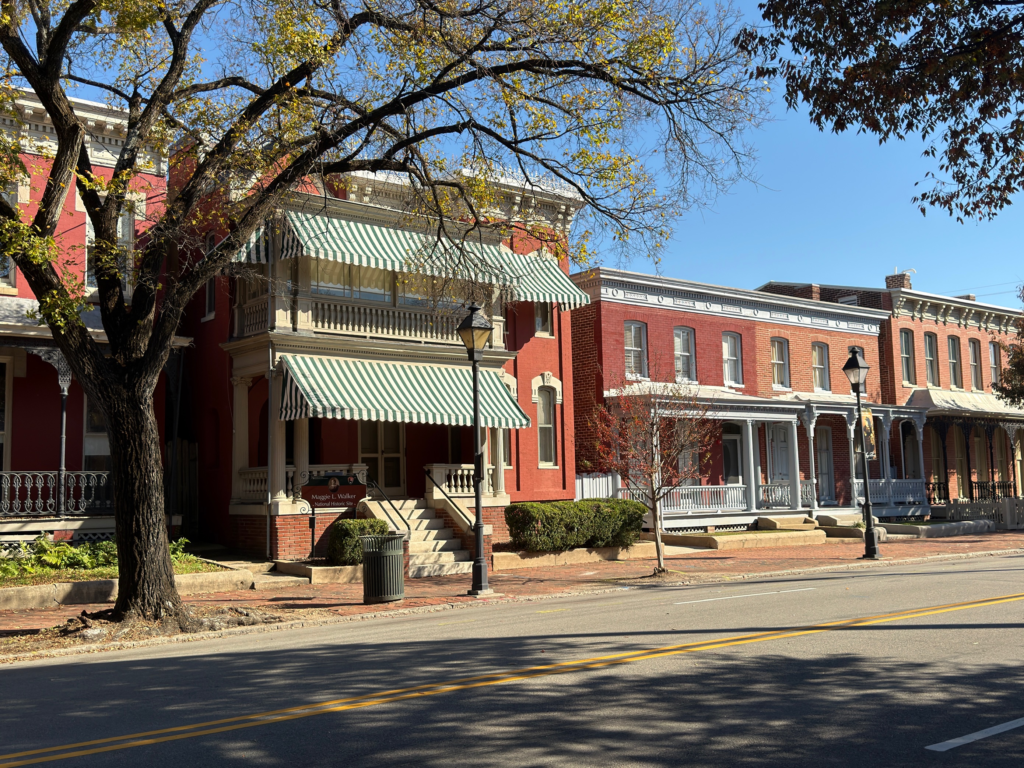
Visitors can experience a remarkably intimate connection to the family, exploring spaces where Walker entertained guests, conducted business, raised children, and spent her final years.
5. First African Baptist Church: A Life Remembered
Former church building, 301 College Street, Richmond
On December 19, 1934, mourners gathered at Richmond’s First African Baptist Church to bid farewell to Maggie Lena Walker.
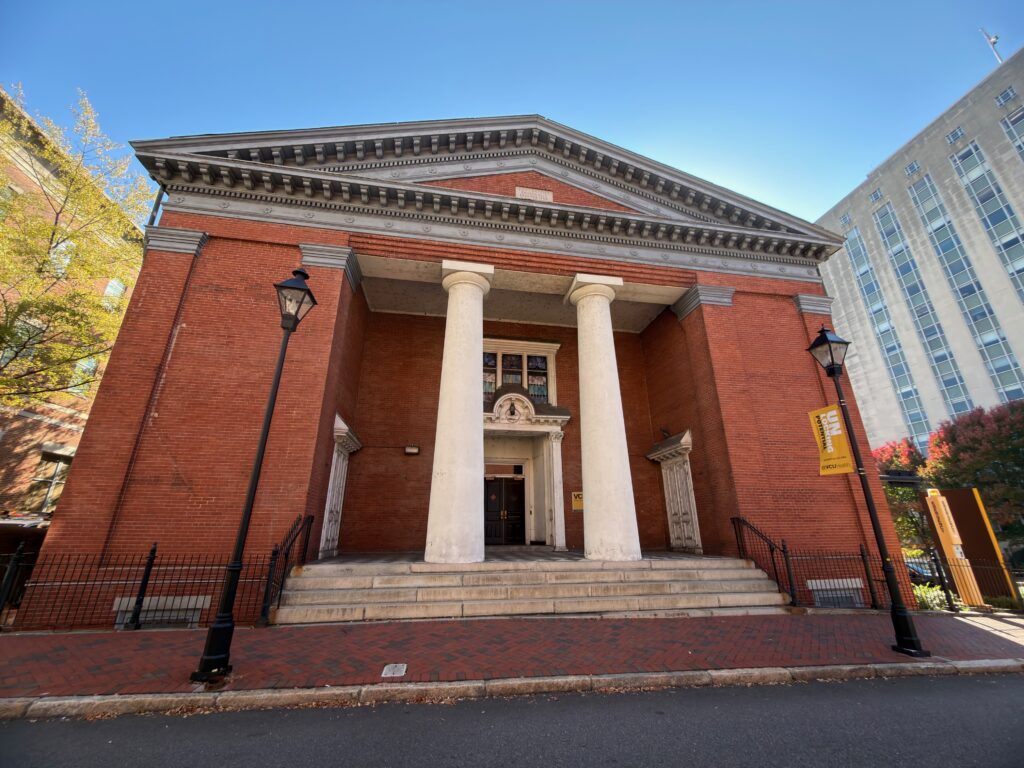
She had died four days earlier at her Leigh Street residence, bringing to a close a life that had transformed Richmond’s African American business and civic community.
The church held special significance for Walker.
Nearly fifty years earlier, on September 14, 1886, she had married Armstead Walker there. At the time, she was a young Richmond schoolteacher, still years away from the achievements that would bring her national recognition.
The surviving church building, constructed in 1876, had already stood for a decade when the couple exchanged their vows.
By December 1934, Walker had become one of Richmond’s most respected public figures.
The December 20 edition of the Richmond News Leader described an impressive funeral attended by mourners from both Black and white communities. Ministers, civic leaders, representatives of business organizations, and members of the Independent Order of St. Luke gathered to honor her memory.
Contemporary newspaper coverage also documented the large number of mourners who assembled outside Walker’s Leigh Street residence as the funeral procession prepared to depart. Despite rainy weather, the public gathered to pay their respects.
At First African Baptist Church, religious leaders and community representatives paid tribute to Walker’s accomplishments and her decades of service.
Following the funeral, she was laid to rest at Richmond’s Evergreen Cemetery.
The congregation of First African Baptist Church eventually relocated, and its original building at 301 College Street was adapted for use by Virginia Commonwealth University’s medical campus. Although the interior has undergone significant alterations, the historic exterior survives.
It is a building that witnessed two defining moments in Maggie Walker’s life: the beginning of her marriage in 1886 and the community’s farewell to her in 1934.
For anyone retracing Walker’s footsteps through Richmond, it provides a particularly meaningful place to reflect on her legacy.
Discovering Maggie Walker’s Richmond Today
Maggie Lena Walker’s achievements extended far beyond the five buildings highlighted here. Her influence reached throughout Virginia and across the country, touching countless people through banking, business, education, civil rights advocacy, and community service.
Yet these surviving places provide something that biographies and historical timelines cannot always convey.
Standing before St. Luke Hall, visitors can imagine the decisions that helped build a national organization. At the former St. Luke Emporium, they can consider the economic barriers Walker sought to overcome and the uncertain fate of the building that once housed her ambitious enterprise.
The old City Auditorium recalls both the resistance she encountered and the recognition she earned.
Her Leigh Street residence reveals the everyday experiences of a woman whose professional accomplishments often overshadow her personal life. And at First African Baptist Church, the story comes full circle, connecting her marriage to the citywide tribute that followed her death.
Some of these buildings remain active public spaces. Others are privately owned, repurposed, or awaiting a more promising future. Their conditions and appearances have changed, but their historical significance endures.
Together, they offer an opportunity to experience Richmond through Maggie Walker’s eyes, and to recognize that some of the city’s most extraordinary stories remain embedded in the buildings we pass every day.
References and Further Reading
The following sources informed this article, including contemporary newspaper coverage of events in Walker’s lifetime, historical research, architectural documentation, and preservation reporting.
Historical and Institutional Sources
- National Park Service. Maggie L. Walker National Historic Site. General history of Walker, her family, and her accomplishments.
- National Park Service. St. Luke Hall. Architectural history and the building’s role as headquarters of the Independent Order of St. Luke.
- National Park Service. The St. Luke Penny Savings Bank. History of Walker’s banking enterprises and mergers, including the St. Luke Emporium.
- National Park Service. Walker Historic Home. History of the Leigh Street residence, its occupants, architectural changes, and Melvin’s Den.
- National Park Service. Armstead Walker. Family history, the 1886 marriage, and Armstead Walker’s death.
- Library of Virginia. Maggie Lena Draper Mitchell Walker. Dictionary of Virginia Biography. Detailed account of Walker’s personal life, business ventures, and civic activities.
- Encyclopedia Virginia. Maggie Lena Walker (1864–1934). Biographical overview and historical context.
- Federal Reserve Bank of Richmond. Maggie Lena Walker. Econ Focus, 2022. Analysis of Walker’s banking career and the challenges facing the St. Luke Emporium.
- Federal Reserve Bank of Kansas City. Let Us Put Our Money Together: The Founding of America’s First Black Banks, 2019. Historical research on African American banking, including the Consolidated Bank mergers.
- Architecture Richmond. Virginia Commonwealth University Cary Street Gym. History of the former City Auditorium and its renovation.
- Virginia Department of Historic Resources. First African Baptist Church. Official historic register documentation confirming the church’s 1876 construction, the congregation’s 1955 relocation, and the surviving building’s subsequent adaptation.
- Society of Architectural Historians. Medical College of Virginia, First African Church. Architectural history of the surviving church building.
Contemporary Newspaper Sources
St. Luke Hall
- Richmond Times-Dispatch, August 20, 1903, p. 4. Order of St. Luke elections.
- Richmond Planet, December 26, 1903, p. 1. Presentation of horses and a carriage to Walker.
- Richmond Times-Dispatch, August 16, 1915, p. 10. Annual convention of the Independent Order of St. Luke.
- Richmond Planet, August 23, 1919, p. 2. Rededication of St. Luke Hall and recognition of Walker.
- Richmond Times-Dispatch, December 30, 1922, p. 1. Fire damages St. Luke Hall.
- Richmond Planet, January 6, 1923, p. 1. Additional coverage of the St. Luke Hall fire.
- Richmond Planet, December 13, 1930, p. 1. Bank merger agreement approved at St. Luke Hall.
St. Luke Emporium
- Richmond Times-Dispatch, March 15, 1905, p. 12. Charter granted to the St. Luke Emporium Association.
- Richmond Planet, March 25, 1905, p. 4. Discussion of the new Emporium enterprise.
- Richmond Planet, April 15, 1905, p. 1. Account of the Emporium’s opening.
Richmond City Auditorium
- Richmond Times-Dispatch, August 6, 1911, p. 15. Controversy over the use of City Auditorium.
- Richmond Times-Dispatch, August 10, 1911, p. 4. Approval of the Auditorium request.
- Richmond Times-Dispatch, August 16, 1911, p. 10. Independent Order of St. Luke convention and Auditorium meeting.
- Richmond Times-Dispatch, March 24, 1913, p. 12. St. Luke rally featuring Governor William Hodges Mann and Maggie Walker.
- Richmond Planet, December 6, 1924, p. 1. Public testimonial honoring Walker.
Walker’s Leigh Street Residence
- Richmond Times-Dispatch, October 25, 1904, p. 8. Property transfer to Maggie Walker.
- Richmond Planet, December 3, 1904, p. 1. Announcement of Walker’s home purchase.
- Richmond Times-Dispatch, June 21, 1915, p. 10. Death of Armstead Walker and initial investigation.
- Richmond Times-Dispatch, June 22, 1915, p. 2. Further coverage of the shooting.
- Richmond Planet, March 8, 1919, p. 2. Melvin Walker’s wedding announcement and reception at the family residence.
- Richmond Times-Dispatch, February 14, 1922, p. 10. Death notice for Elizabeth Mitchell.
- Richmond Times-Dispatch, November 24, 1923, p. 16. Death notice for Russell Walker.
First African Baptist Church
- Richmond News Leader, December 17, 1934, p. 5. Funeral arrangements for Maggie Walker.
- Richmond News Leader, December 20, 1934, p. 14. Coverage of Walker’s funeral.
- Richmond News Leader, December 28, 1934, p. 8. Reverend W. T. Johnson’s acknowledgment of funeral tributes.
Preservation and Modern Historical Reporting
- Historic Richmond. Downtown Richmond Needs Some Love! Buildings at Risk. September 2024. Documents the condition of the 100 block of East Broad Street and specifically identifies the former St. Luke Emporium.
- Style Weekly. Broad Street Blues. September 12, 2025. Examines deteriorating properties, redevelopment efforts, and preservation challenges on East Broad Street.